


Overview of Imported Goods in Singapore
With a young, modern population and a high average income (SGD 2,000–3,000/month), Singapore is increasingly proving its position as a promising consumer market.
High-quality products, reasonable pricing, and establishing a company in Singapore are essential factors for doing business in the Lion City. However, these alone are not enough. In addition to these elements, understanding the import procedures for goods into Singapore is crucial.
This article by Koobiz provides a fundamental guide to the steps involved in importing goods.
Important Considerations Before Importing Goods into Singapore
As an importer, the first step business owners must take is to determine the type and amount of duties/GST that need to be declared and paid when importing goods into Singapore. Some key points to note include:
Duties or GST are deferred as long as the goods remain stored in a Free Trade Zone (FTZ).
Duties or GST must be paid if the goods are imported directly for domestic consumption.
Duties or GST must be paid if the goods are imported directly for domestic consumption.
As an importer, the first step business owners must take is to determine the type and amount of duties/GST that need to be declared and paid when importing goods into Singapore. Some key points to note include:
Duties or GST are deferred if goods are transferred from an FTZ or an entry point to Customs-licensed premises (e.g., zero-GST warehouses or licensed warehouses such as bonded warehouses and duty-free zones), provided that the goods remain stored in these designated areas.
Goods may be exempt from duties or GST if they fall under the Temporary Import Scheme or other similar schemes administered by the Inland Revenue Authority of Singapore (IRAS), such as:
Major Exporter Scheme (MES)
Approved Import GST Suspension Scheme (AISS)
Procedures for Importing Goods into Singapore
With a young, modern population and a high average income (SGD 2,000–3,000/month), Singapore is increasingly proving its position as a promising consumer market.
High-quality products, reasonable pricing, and establishing a company in Singapore are essential factors for doing business in the Lion City. However, these alone are not enough. In addition to these elements, understanding the import procedures for goods into Singapore is crucial.
This article by Koobiz provides a fundamental guide to the steps involved in importing goods.
How Does Koobiz Support Goods Importation into Singapore?
Koobiz provides a comprehensive solution for businesses importing goods into Singapore, including:
Company Incorporation: Assisting in business registration in Singapore for customs declarations and GST registration.
Tax Advisory: Providing guidance on applicable taxes for importing goods into Singapore.
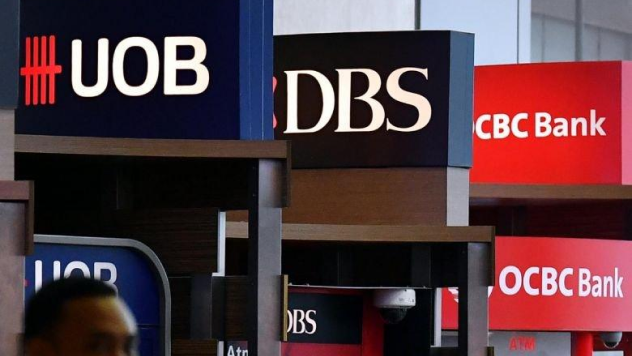
Bank Account Opening: Supporting businesses in opening a corporate bank account in Singapore for seamless transactions.
Accounting & Compliance Services: Handling tax filings, financial reporting, and bookkeeping for Singapore-based companies.
Important Considerations Before Importing Duties or GST are deferred as long as the goods.
As an importer, the first step business owners must take is to determine the type and amount of duties/GST that need to be declared and paid when importing goods into Singapore. Some key points to note include:
Duties or GST are deferred as long as the goods remain stored in a Free Trade Zone (FTZ).
Duties or GST must be paid if the goods are imported directly for domestic.
Duties or GST must be paid if the goods are imported.
As an importer, the first step business owners must take is to determine the type and amount of duties/GST that need to be declared and paid when importing goods into Singapore. Some key points to note include:
Duties or GST are deferred if goods are transferred from an FTZ or an entry point to Customs-licensed premises (e.g., zero-GST warehouses or licensed warehouses such as bonded warehouses and duty-free zones), provided that the goods remain stored in these designated areas.
Goods may be exempt from duties or GST if they fall under the Temporary Import Scheme or other similar schemes administered by the Inland Revenue Authority of Singapore (IRAS), such as:
Major Exporter Scheme (MES)